

Rock Around Creative District
Through Bangkok's creative districts, between street art, architecture, design and new uses of the city.
This five-to-eight-hour cultural exploration invites you to discover Bangkok through art, design, architecture and the contemporary transformations of its historic districts. On foot, or by spacious electric tuk-tuk for those with reduced mobility, the itinerary crosses several emblematic areas — Bang Rak, Charoen Krung, Talat Noi, Chinatown, Thon Buri, Phra Nakhon and Pathum Wan — following the banks of the Chao Phraya and certain khlongs that long structured the city's circulation.
The route highlights how these districts, shaped by trade, migration, foreign influences and the long-standing presence of local communities, became major centres of creation in Bangkok. From the murals of the French Embassy to the frescoes of Charoen Krung, Talat Noi and Ong Ang, street art converses with old architecture, converted warehouses, independent galleries and places now devoted to the creative industries.
The stop at the Thailand Creative & Design Center opens a reflection on the role of the creative economy in the capital's transformation, while Warehouse 30, River City Bangkok, The Corner House and the art spaces of IconSiam illustrate different forms of adaptive reuse, cultural programming and staging of contemporary art. Song Wat Road offers another view of this evolution: a former commercial artery of Chinatown, it today combines warehouses, historic shops, cafes, workshops and creative initiatives in an urban fabric that has remained deeply bound to its past.
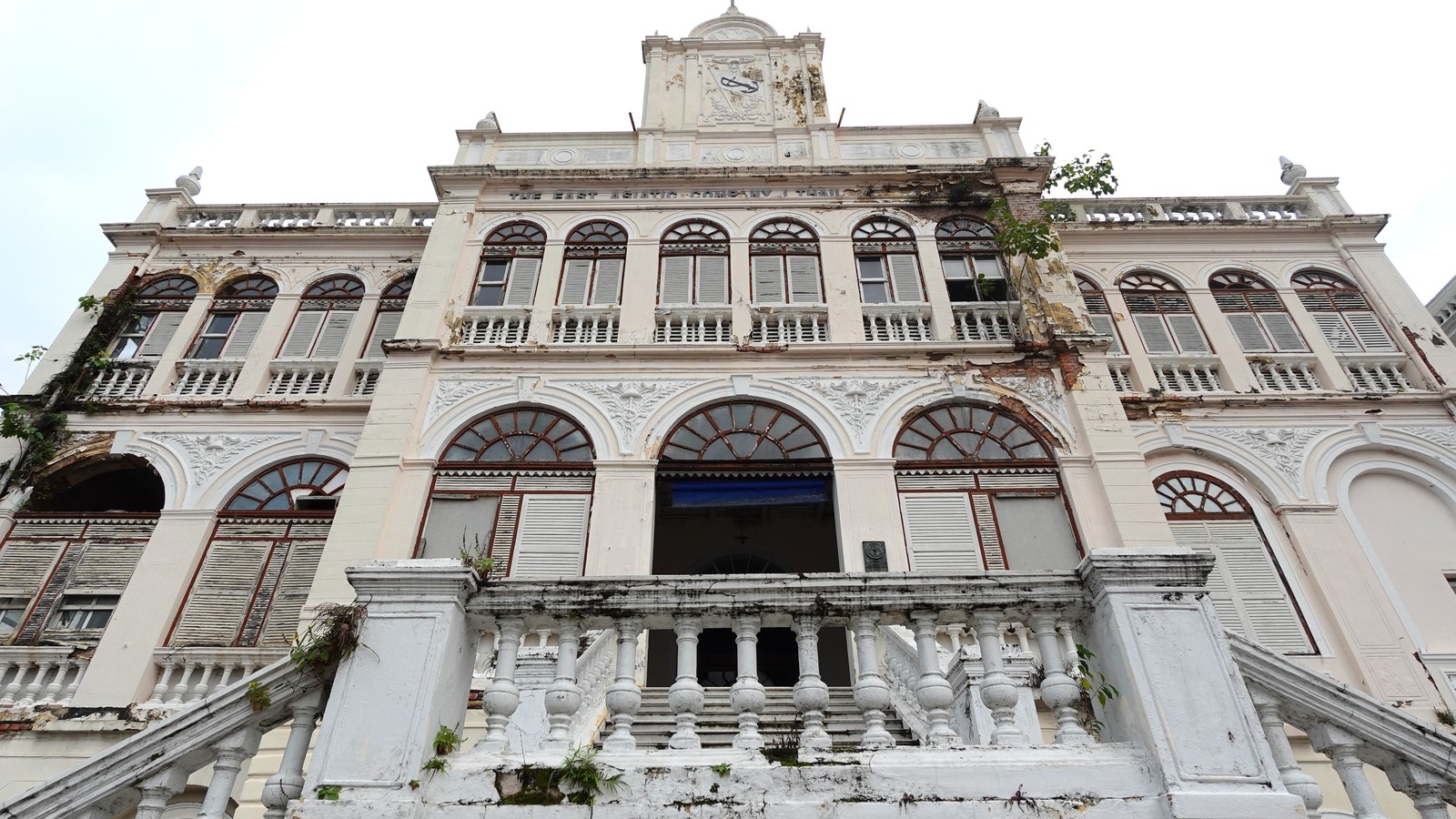
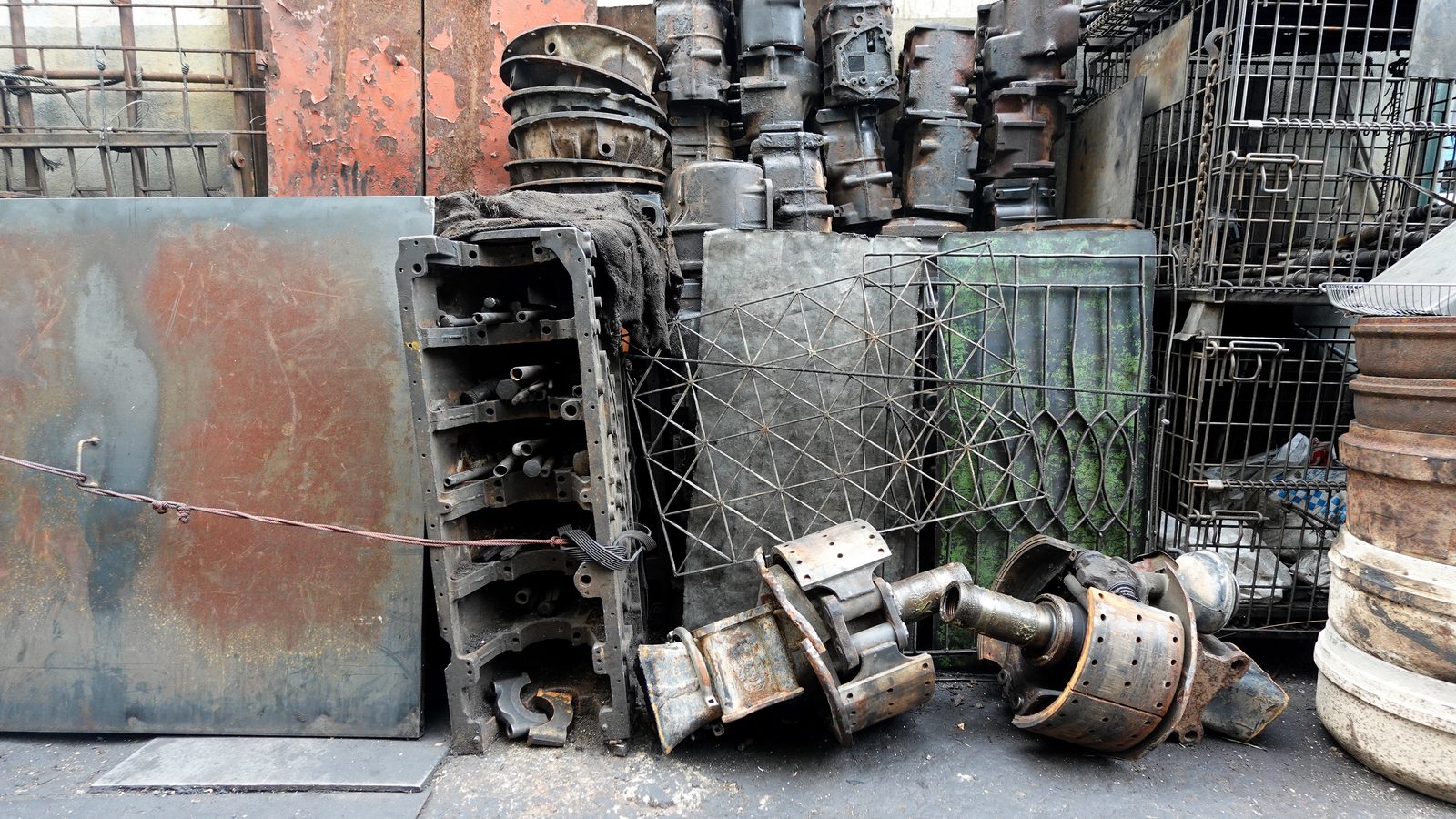
This reading of Bangkok is not limited to a succession of galleries or frescoes. Each stop sets today's artistic forms within the city's social and urban history, between architectural heritage, the adaptation of old buildings, new cultural practices and the search for forms of expression able to coexist with the political and economic constraints of the metropolis. The experience thus pays particular attention to often-overlooked details: facades, typography, materials, street uses, traces of commerce, artistic interventions and the discreet mutations of the urban landscape.
The route ends at the Bangkok Art and Culture Centre, a major institution of Pathum Wan devoted to visual arts, design, photography, film and contemporary practices. Its exhibitions and open spaces extend this discovery of a creative Bangkok, where heritage, artistic experimentation and new uses of the city continue to echo one another.