

Udon Thani (Stage 1/3)
From Buddhist forests to red lotuses and Ban Chiang: two days at the heart of the landscapes and memories of Udon Thani.
This first stage (of three), lasting two days in the province of Udon Thani, opens the journey onto three essential dimensions of Isan: Buddhist spirituality, the breadth of the rural landscapes and the archaeological depth of a land inhabited for millennia. Between a forest sanctuary, a vast lotus-covered lake and prehistoric remains, the itinerary composes a sensitive introduction to this northeastern region of Thailand, still spared the great tourist flows.
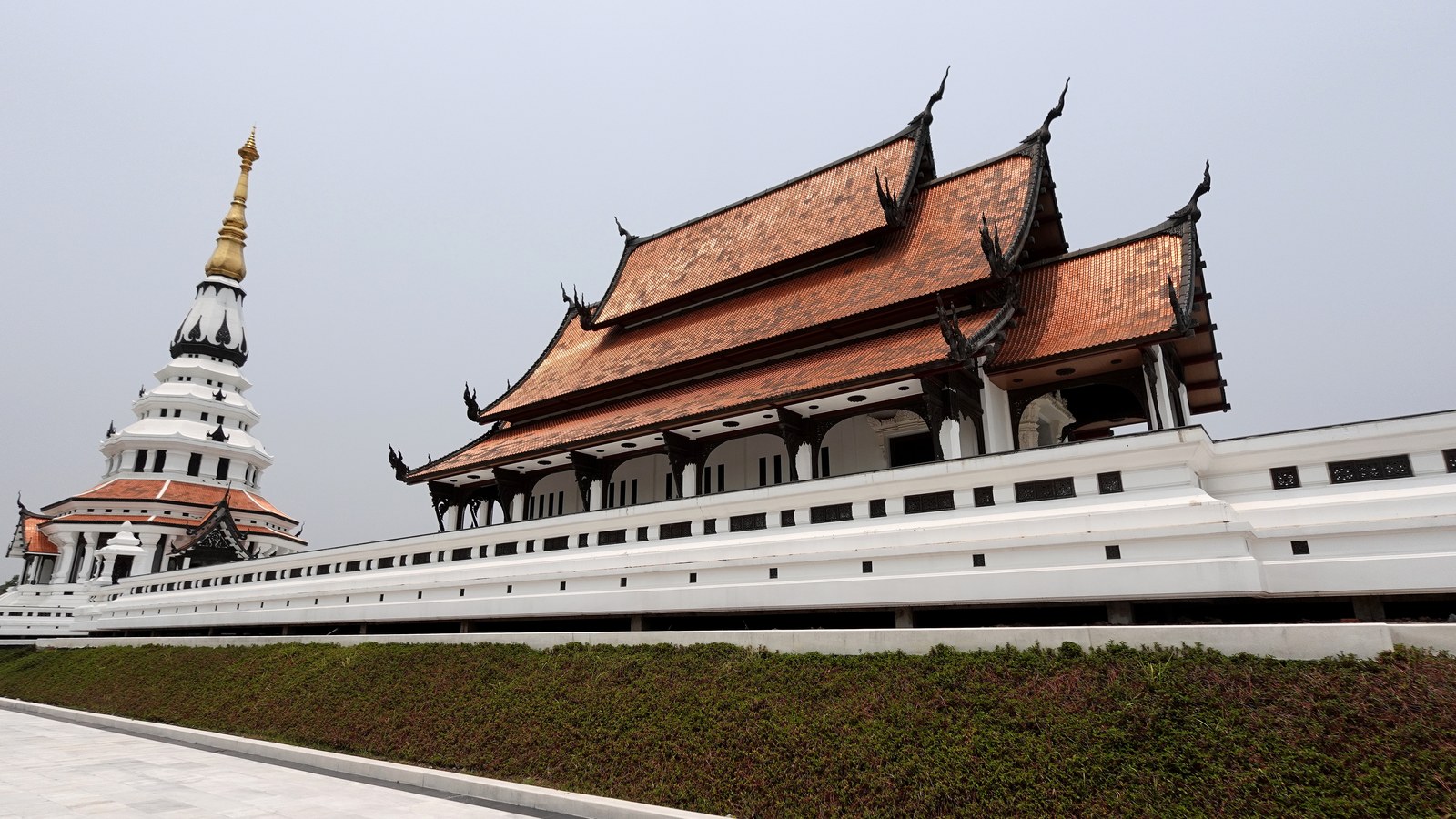
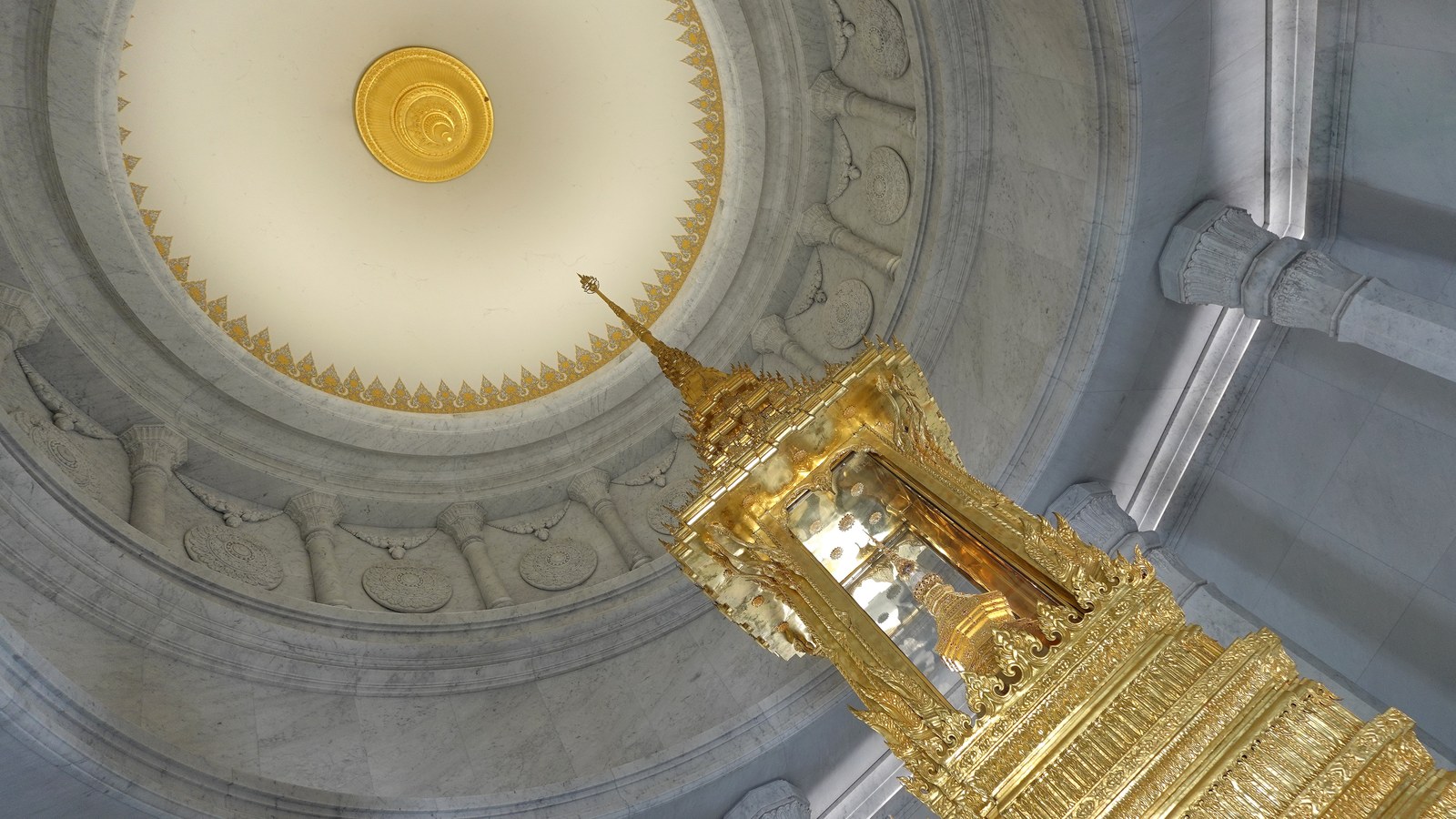
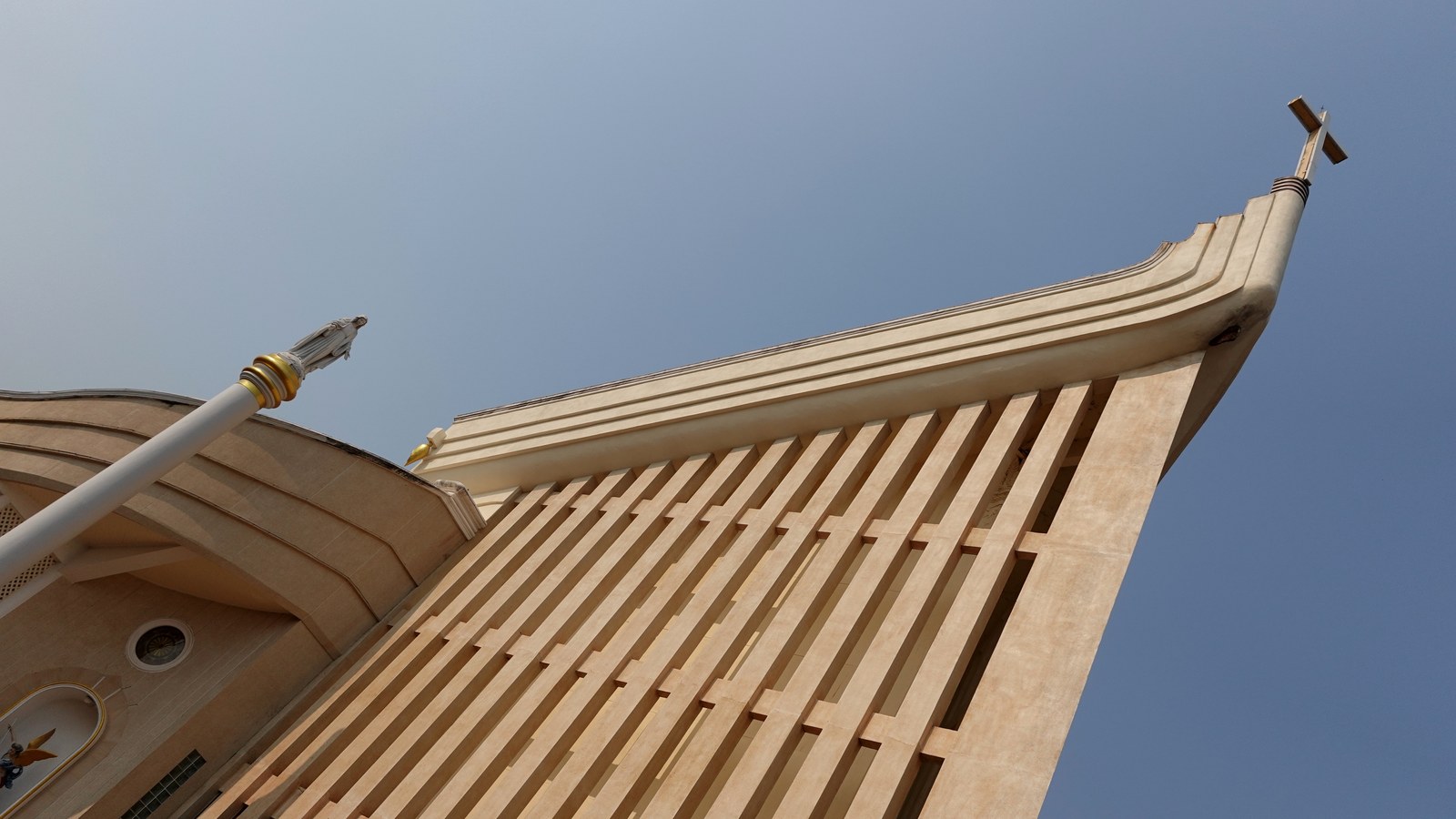
The discovery begins at the Buddhist complex of Phra Dhamma Visuddhimongkol, linked to the Thai tradition of forest Buddhism. Set in a peaceful environment, the site opens a reflection on a form of spirituality founded on meditation, asceticism and withdrawal from the world, deeply rooted in the religious history of Isan. The architecture, the spaces of contemplation and the close relationship between monastery and nature offer a first reading of the place of Buddhism in the landscapes and rural communities of the region.
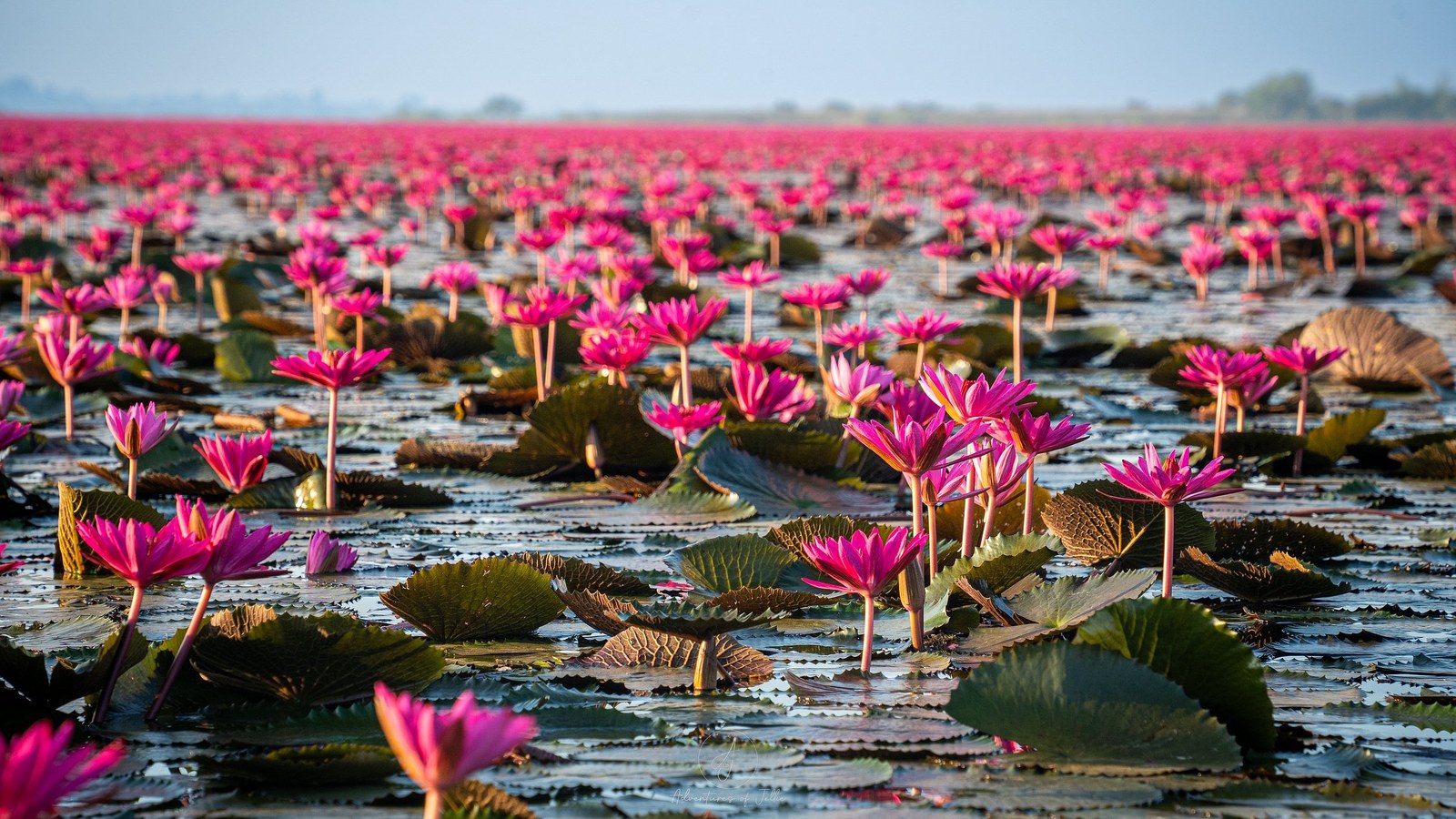
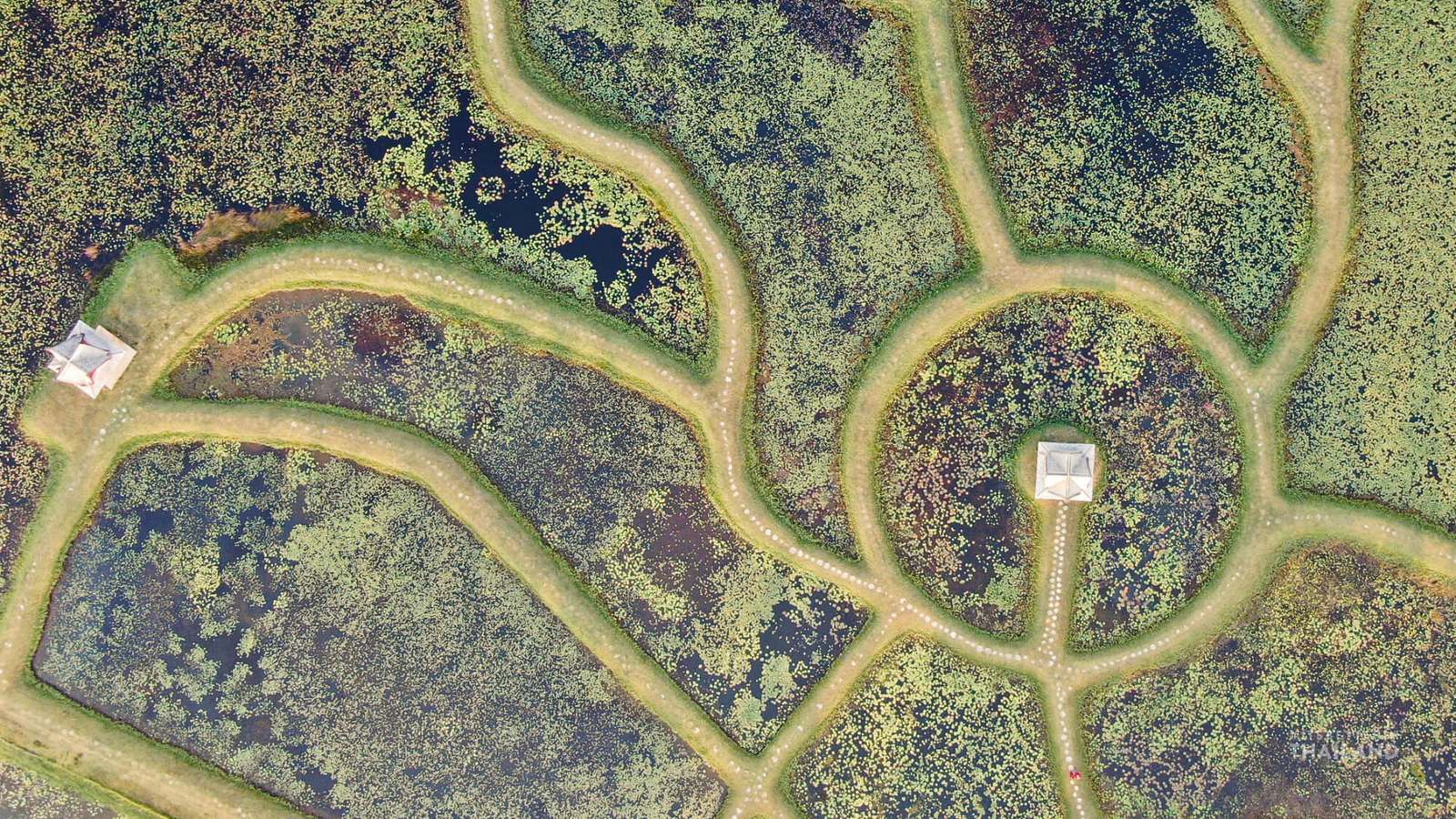
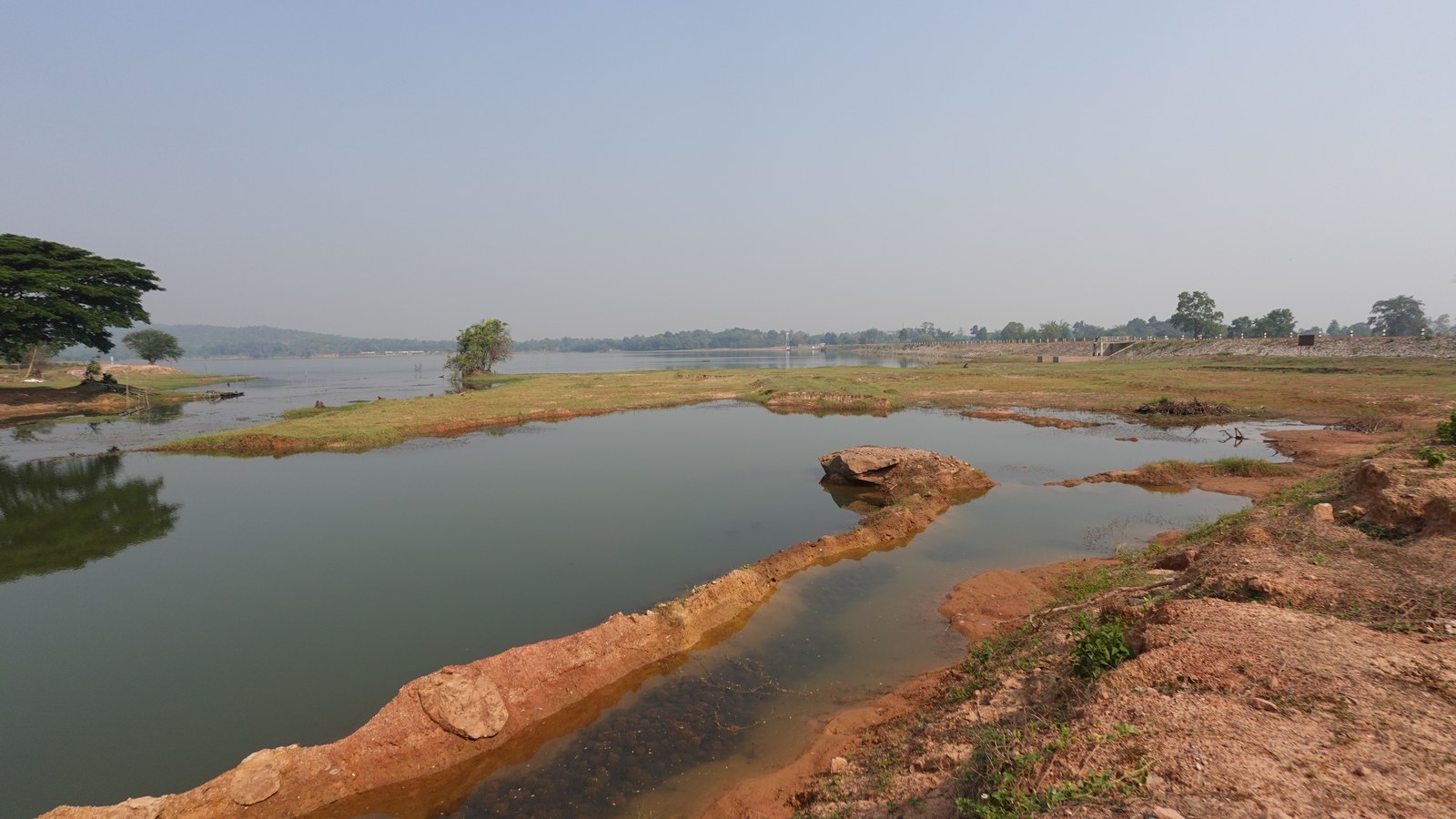
The road then reaches the shores of Nong Han Kumphawapi lake, better known as the Red Lotus Lake. A nearby guesthouse makes it possible to extend the experience to the rhythm of the village, the fishermen and the surrounding countryside. Depending on the time of arrival, the end of the day lends itself to a first exploration of the banks and the farmland, before dinner at the guesthouse table.
At dawn, a boat glides across the lake as thousands of red lotuses open to the morning light. Beyond its seasonal beauty, the site reveals a living lake ecosystem, dotted with fishing grounds, birds and communities long established on its banks.
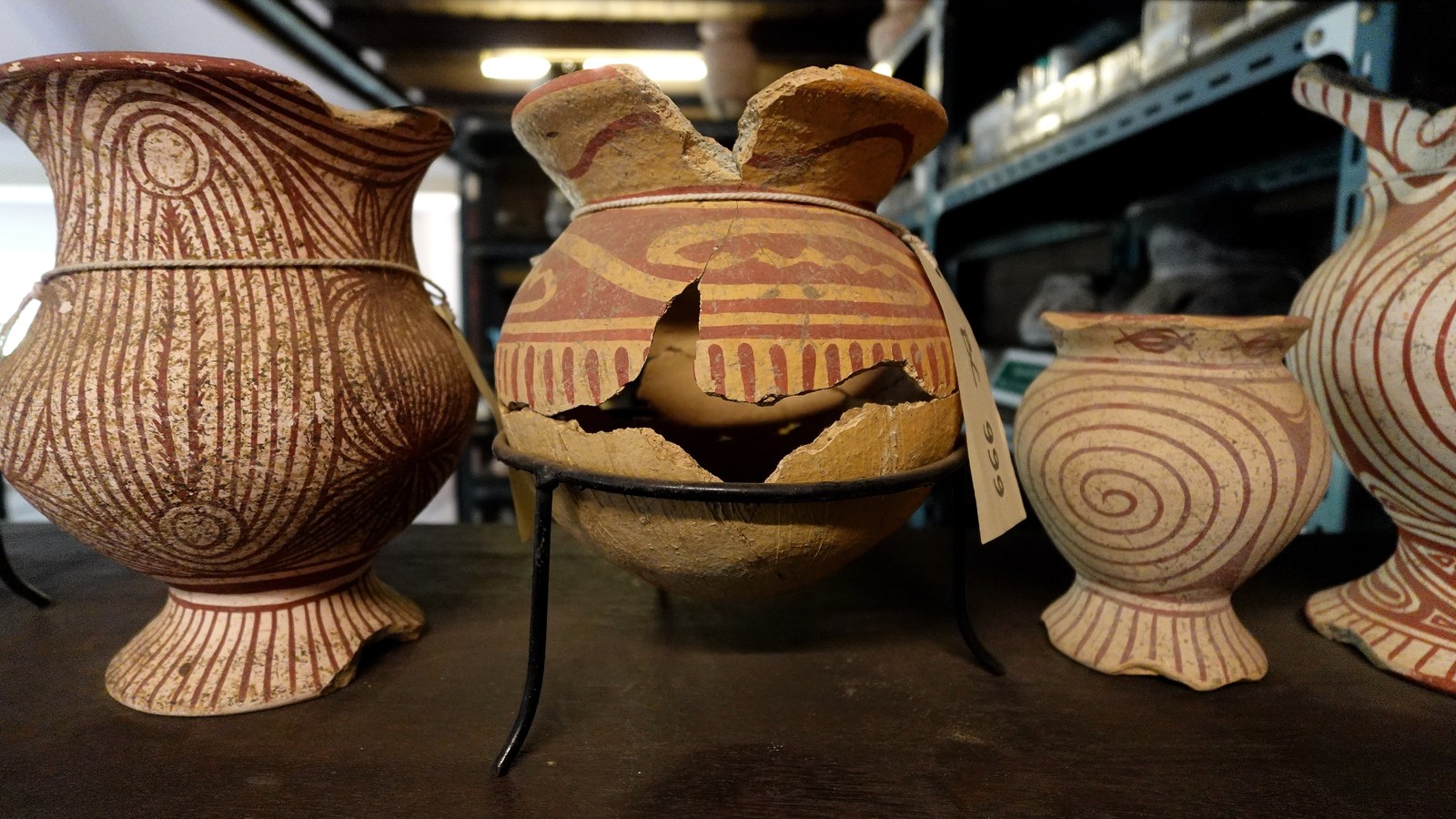
The itinerary continues at Ban Chiang, one of Thailand's major archaeological sites, a UNESCO World Heritage Site since 1992. The discoveries made in this region profoundly renewed our knowledge of the prehistoric societies of mainland Southeast Asia. Burials, tools, metal objects and the famous painted ceramics bear witness to ancient farming communities, their techniques and their funerary practices.
At the end of the day, the road continues towards Sakon Nakhon, across farmland, villages and the open landscapes characteristic of Isan. An overnight stop in a resort with a singular setting marks the transition before continuing further east.